
The Magic Window: Why Ages 3-6 Are Critical for Your Child’s Vocabulary Development
Unlocking Lifelong Learning and Cognitive Growth
Between the ages of three and six, a child’s brain undergoes an extraordinary period of development, often referred to as the “Magic Window.” During this crucial phase, neural connections are rapidly forming, making young children exceptionally receptive to language acquisition. This isn’t just about learning new words; it’s about building the very foundation for cognitive abilities, emotional intelligence, and future academic success. By understanding and actively engaging with this unique developmental stage, parents and educators can significantly enhance a child’s vocabulary, empowering them with the tools they need to navigate the complexities of the world around them.
The Neuroscience Behind the Magic: What Research Tells Us
Neuroscientific studies consistently highlight the incredible plasticity of a young child’s brain. During the “Magic Window,” billions of neural connections are being forged, especially in areas associated with language processing and cognitive functions. This period is prime for absorbing new information, forming complex understandings, and developing a rich vocabulary that underpins all future learning.
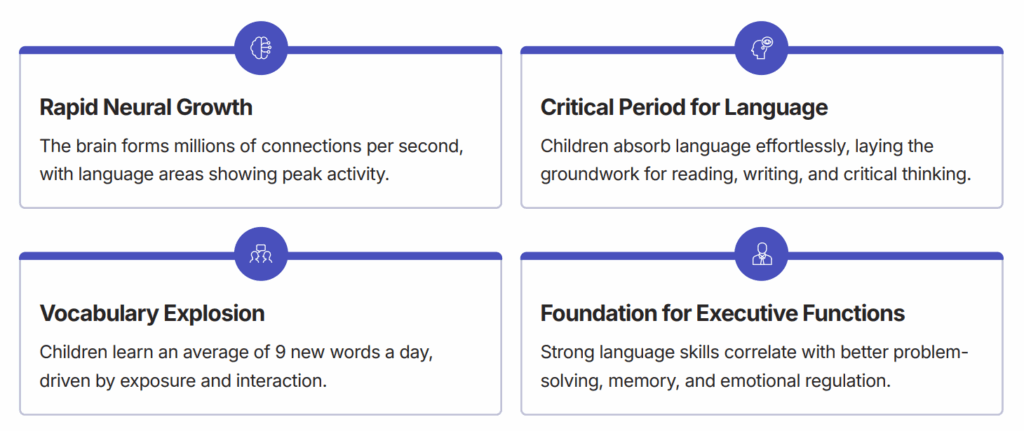
Did You Know? Children from language-rich environments hear approximately 30 million more words by age three than those from less verbally stimulating environments. This “word gap” significantly impacts academic achievement.
Hands-On Learning: The Power of Physical Play
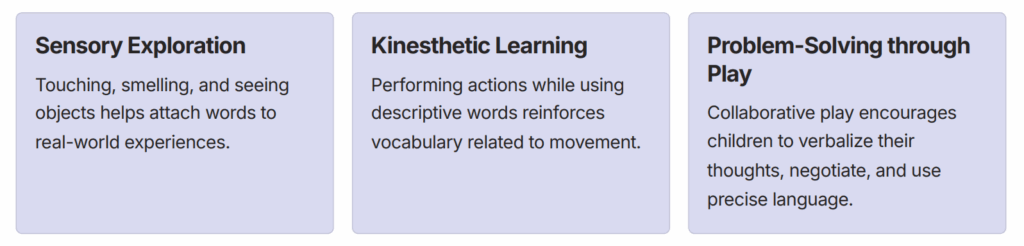
While books and conversations are vital, physical play and hands-on activities are equally crucial during the “Magic Window.” These experiences provide concrete contexts for new words, linking language directly to sensory input and motor actions. When children manipulate objects, build structures, or engage in imaginative role-play, they are not just developing fine motor skills; they are also building a robust, embodied understanding of language. This multisensory approach helps solidify vocabulary in a way that passive learning cannot, making words tangible and meaningful.
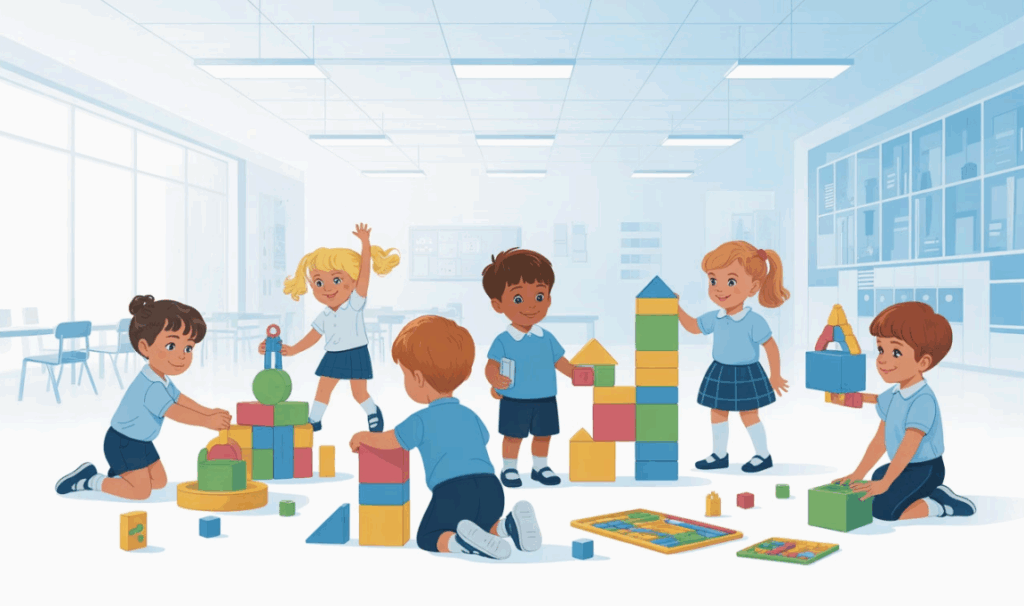
Through play, children encounter a vast array of objects, actions, and concepts, all of which come with their own vocabulary. Describing the texture of a toy, the process of building a tower, or the roles in a pretend scenario naturally expands their word knowledge. This active engagement makes learning joyful and memorable.
The Conversation Connection: Building Vocabulary Through Talk
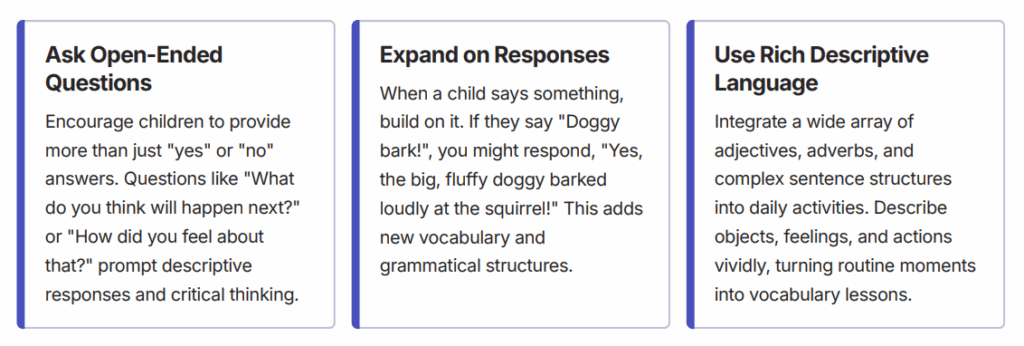
While exposure to a wide range of words is certainly beneficial, research consistently shows that it’s not just about hearing words; it’s about actively engaging with them. The true magic in language acquisition happens in the dynamic dance of conversation4the back-and-forth exchanges that invite children to participate, question, and express themselves. This interactive process is fundamental to how young brains wire themselves for language.
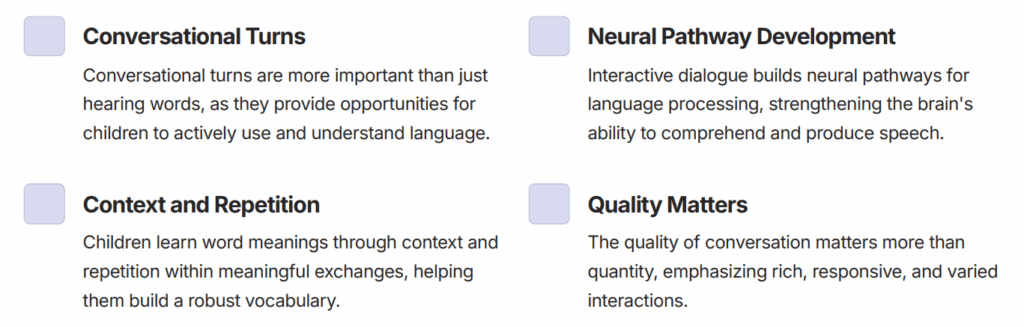
To truly capitalize on this critical period, parents and educators can adopt specific strategies that transform everyday interactions into powerful learning opportunities. By being intentional about how we communicate, we can significantly boost a child’s vocabulary and cognitive development.
Beyond Words: How Vocabulary Shapes Thinking
A strong vocabulary is much more than a collection of words; it’s a powerful tool that fundamentally shapes a child’s cognitive abilities. Each new word acquired opens up new avenues for thought, allowing children to categorize, analyze, and synthesize information more effectively. This enhanced linguistic capacity directly contributes to advanced critical thinking skills, better academic performance, and a deeper understanding of the world around them.
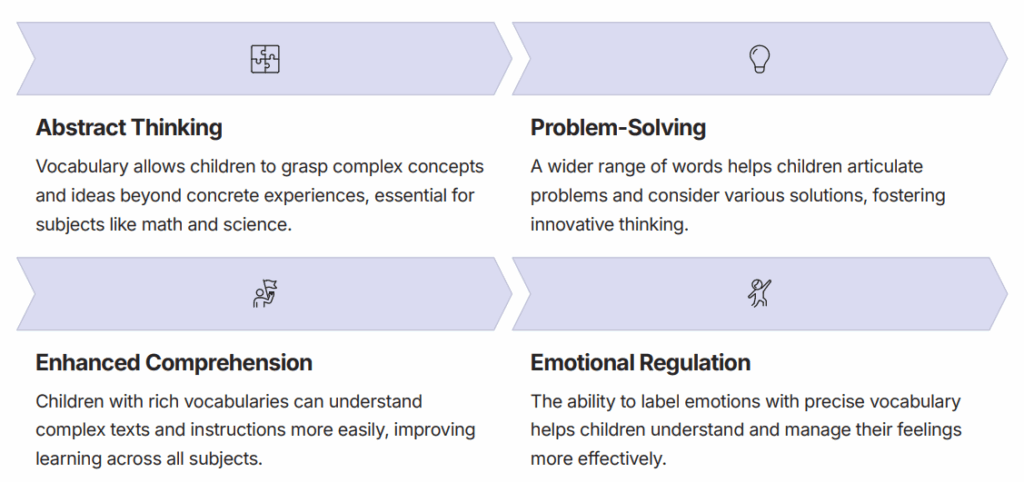
Every word acquired helps build neural pathways and connections, allowing children to think more flexibly, reason more deeply, and express themselves more clearly. For parents, this knowledge reinforces the importance of engaging in rich, interactive conversations and providing diverse language experiences, transforming everyday interactions into opportunities to sculpt powerful young minds.
Your Action Plan: Making the Most of the Magic Window
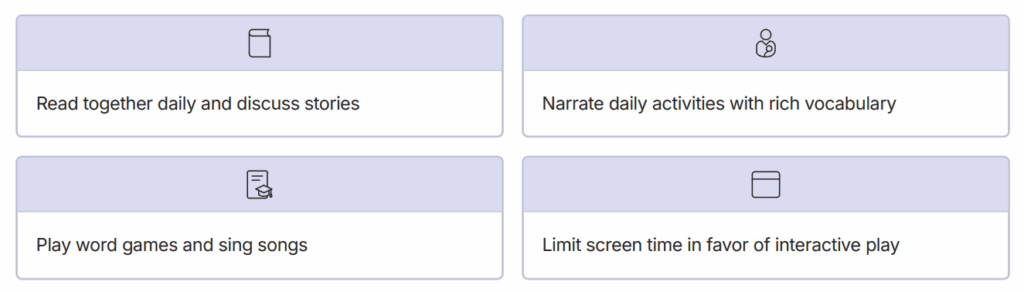
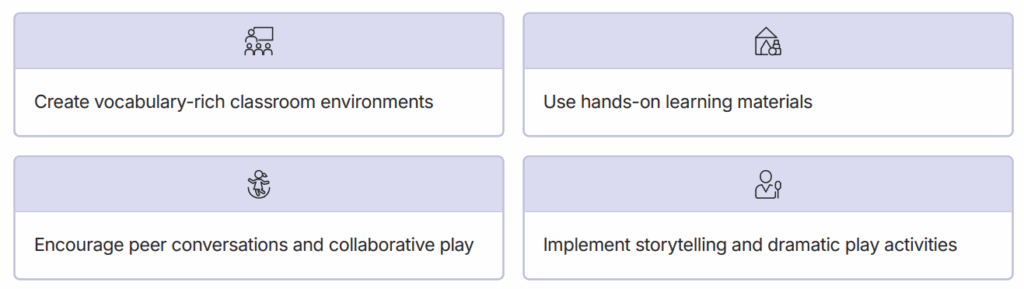
Provide concrete, actionable steps for parents and educators:
For Parents:
For Educators:
Seizing the Magic Window: Your Child’s Bright Future Starts Now
As we’ve explored, the period between ages 3 and 6 truly represents a “magic window” for language and cognitive development. This critical stage offers an unparalleled opportunity to sculpt a child’s mind, laying down neural pathways that will support lifelong learning and success. It is during these foundational years that the seeds of abstract thinking, problem-solving abilities, and robust comprehension are most readily planted and nurtured.
For both parents and educators, recognizing and actively engaging with this unique developmental phase is paramount. The journey to unlocking a child’s full potential doesn’t require grand gestures or complex curricula; it thrives on consistent, meaningful engagement. Small daily interactions4a descriptive conversation during a walk, an open-ended question at dinner, or a shared story time4are the powerful building blocks that make an extraordinary difference.
Remember, you hold an incredible power in your hands: the power to shape a child’s cognitive future. Every word you share, every concept you explain, and every responsive exchange you foster contributes significantly to their developing intellect. By embracing the strategies discussed, you are not just teaching vocabulary; you are constructing a resilient framework for thought, creativity, and understanding.
Let’s commit to making the most of this magic window. Start implementing these strategies today, transforming everyday moments into invaluable learning experiences. The lasting impact of investing in early vocabulary development will resonate throughout a child’s academic journey and well into their adult lives, empowering them with the clarity and confidence to navigate an ever-complex world.
